
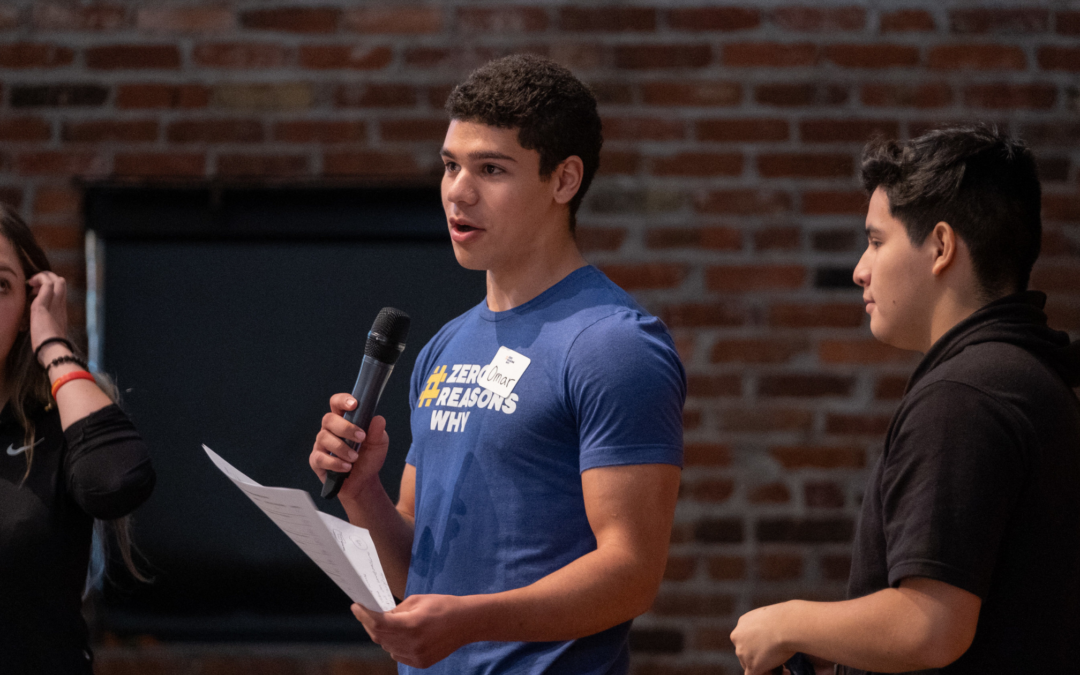
Mental health awareness has come a long way in the past decade. Schools are offering more resources, communities are having more conversations and young people are increasingly open about the importance of emotional well-being. Yet for many teens, talking about mental health can still feel uncomfortable, awkward or even risky.
The hesitation usually isn’t about whether mental health matters. Most students understand that stress, anxiety and emotional struggles are part of life. The challenge is often connected to something deeper: the stigma still associated with mental health and the uncertainty about how sharing honestly will be received...
Will someone listen? Or will they disregard my feelings?
Will they understand? Or will they shame me?
Will they hear me? Or will the conversation be shut down before it really begins?
These questions can make it difficult for teens to speak openly, even when they want to.
Why the Silence Still Exists
Despite growing awareness, several barriers continue to make mental health conversations feel complicated for young people. Teens often say they avoid talking about their mental health because:
- They don’t want to be judged or misunderstood
- They worry about being labeled or treated differently
- They don’t want to burden friends, teachers or family members
- They’ve seen similar conversations dismissed or minimized before
Sometimes the silence isn’t caused by bad intentions. It can come from responses that are meant to help but miss the mark. Comments like “just stay positive,” “everyone feels that way sometimes,” or “others have it worse” may be well-intentioned, but they can unintentionally signal that someone’s feelings aren’t valid or worth exploring.
When that happens, many teens simply stop sharing. They learn to keep their struggles to themselves, even when support could make a meaningful difference.
The Pressure to Appear “Fine”
Another challenge is the pressure many teens feel to appear like they have everything under control. School, extracurricular activities, social expectations and family responsibilities can create a constant feeling of needing to perform. Students may worry that admitting they are struggling will make them look weak, unmotivated or incapable.
Social media can amplify this pressure. Online spaces often spotlight achievements and carefully curated “highlight reels” of others’ lives. While these platforms can foster connection, they can also reinforce the idea that everyone else is doing better or succeeding more easily.


What Teens Are Doing Differently
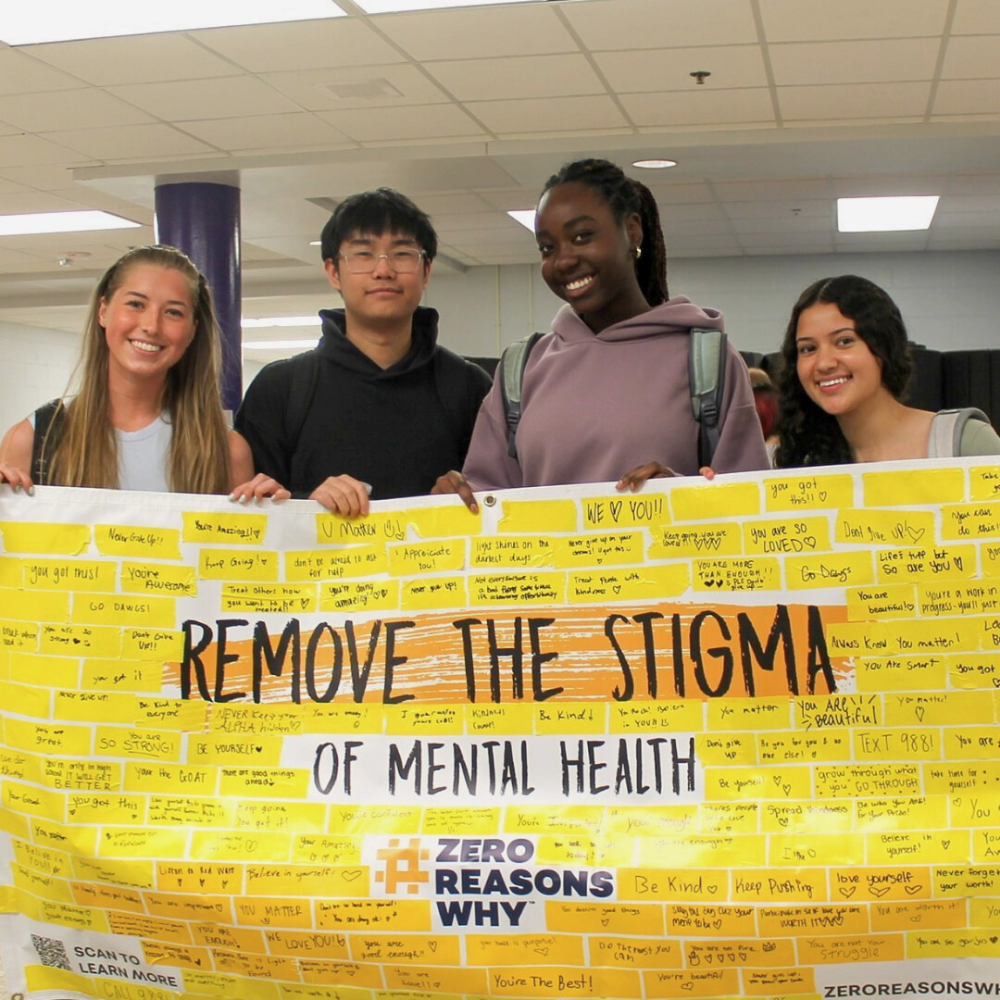
Despite these barriers, something important is changing. Across schools and communities, teens are beginning to reshape the culture and conversation around mental health. Young people are:
- Leading conversations with peers and adults about mental health and well-being
- Advocating for education and prevention rather than silence or stigma
- Creating spaces where students can talk openly without pressure to overshare
- Encouraging check-ins with friends and classmates who may be struggling
These efforts show that meaningful conversations about mental health don’t have to be perfect or polished to matter. Often, they begin with simple acts of care: asking how someone is doing, listening without judgment or making space for honest discussion.
The Power of Peer Leadership
One of the most effective ways to shift culture is through peer leadership. When teens see classmates speaking openly about mental health, it sends a message that these conversations are not only acceptable, but they are also important. Students often feel more comfortable opening up when they know they are not alone in their experiences.
Peer-led initiatives also help normalize mental health as a part of everyday life rather than a crisis topic that only comes up in emergencies. That shift matters. When mental health conversations become part of the regular rhythm of school life, students are more likely to seek support earlier, check in with friends and recognize when someone may need help.
Changing the conversation around mental health doesn’t happen all at once, but in small, consistent ways. Sometimes it looks like…
- A club meeting where students talk honestly about stress and coping
- A student speaking up in class about the importance of mental health education
- Choosing to check in when a friend seems withdrawn or overwhelmed
Each of these moments helps create a culture where students feel safer acknowledging their challenges and supporting one another.
In Zero Reasons Why, we see this kind of change happening every day. When teens lead the conversation about mental health, it becomes less about fear or stigma and more about connection and understanding. Conversations that once felt difficult begin to feel possible. Over time, they become part of how communities support one another and build healthier environments for everyone.