
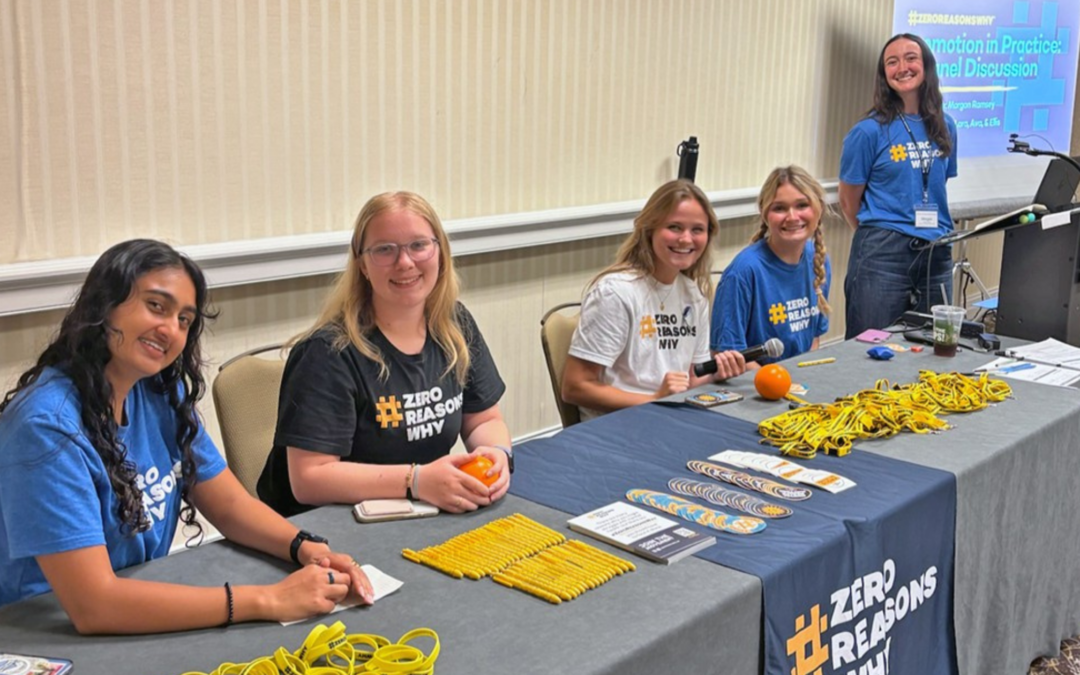
Within the Zero Reasons Why campaign, we see teen leaders every day who are navigating school, relationships, stress and uncertainty, while also choosing to advocate for mental health education, awareness and support. They aren’t experts. They don’t have all the answers. But they are willing to learn, ask questions and speak up for what they believe in – and that’s exactly what makes their leadership powerful.
Leadership Doesn’t Require Perfection
To act as a mental health advocate—especially as a young person—you don’t have to have a perfectly polished story or always know what to say. In fact, some of the most impactful teen advocates are the ones who aren’t afraid to admit:
- “I didn’t know where to start, but I knew something needed to change.”
- “I’m still figuring this out, but I care about finding solutions.”
- “I’m nervous, but I want to share my experience so others know they’re not alone.”
That honesty makes way for trust. It opens doors for real conversations and change to happen. It reminds adults that leadership isn’t something teens grow into later, but something they can (and do) practice now.
Advocacy as a Skill
When teens engage in mental health advocacy, they’re building skills that will serve them outside a single event or campaign that they participate in during high school. These are skills that will stay with them as they transition into young adulthood and beyond. Skills like:
- Communicating their lived experience with clarity and care
- Learning how education, healthcare and legal systems work, where they fall short and how they can be improved
- Practicing civic engagement and respectful debating and discussion
- Turning concern and ideas into purposeful action
These skills don’t just benefit mental health spaces. They prepare teens to participate in their communities long-term.

Showing Up Where Decisions Are Made
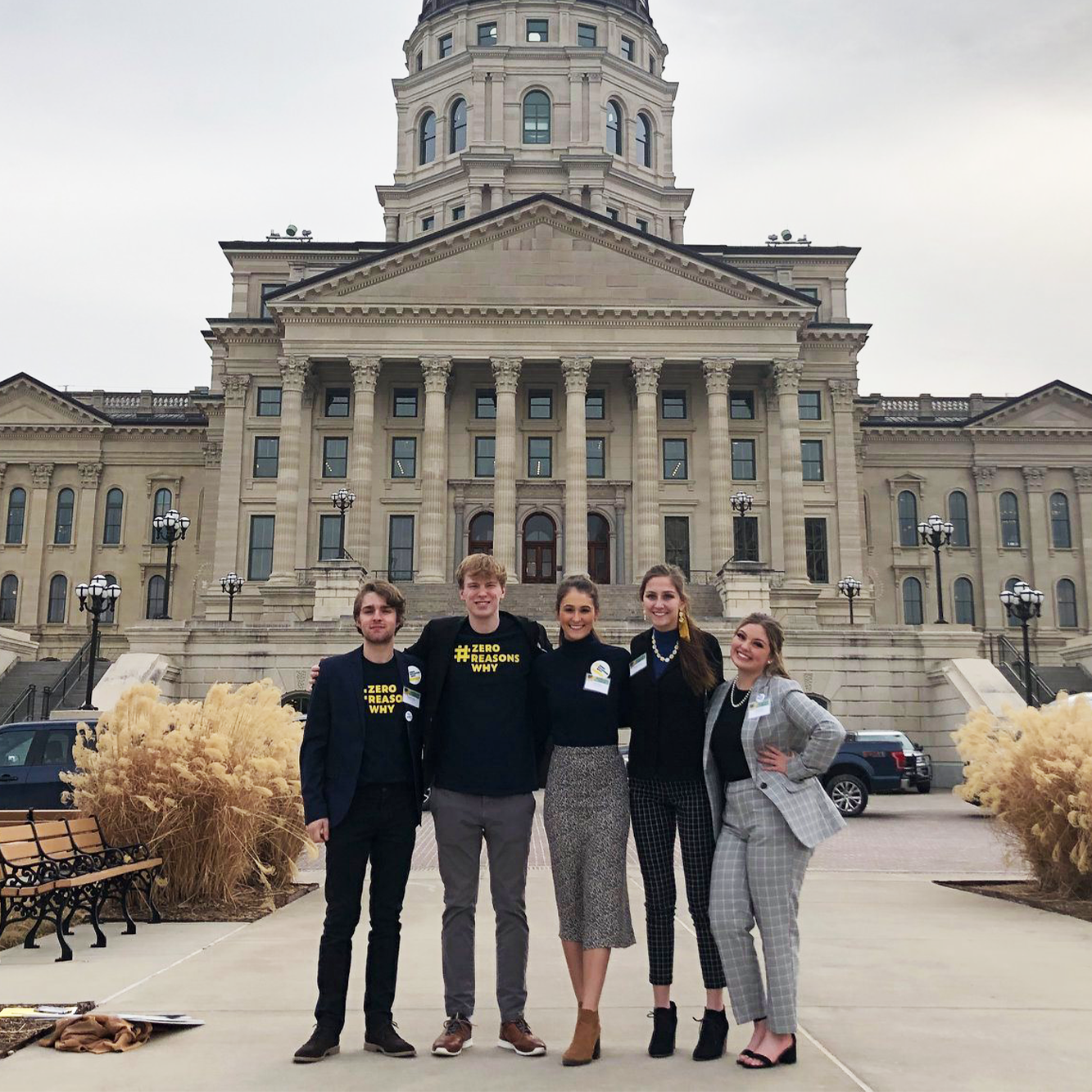
In February 2026, Zero Reasons Why teen leaders in Kansas put their advocacy skills into practice by traveling to the State Capitol to advocate for mental health during Prevention Advocacy Day 2026, hosted by the Kansas Prevention Collaborative.
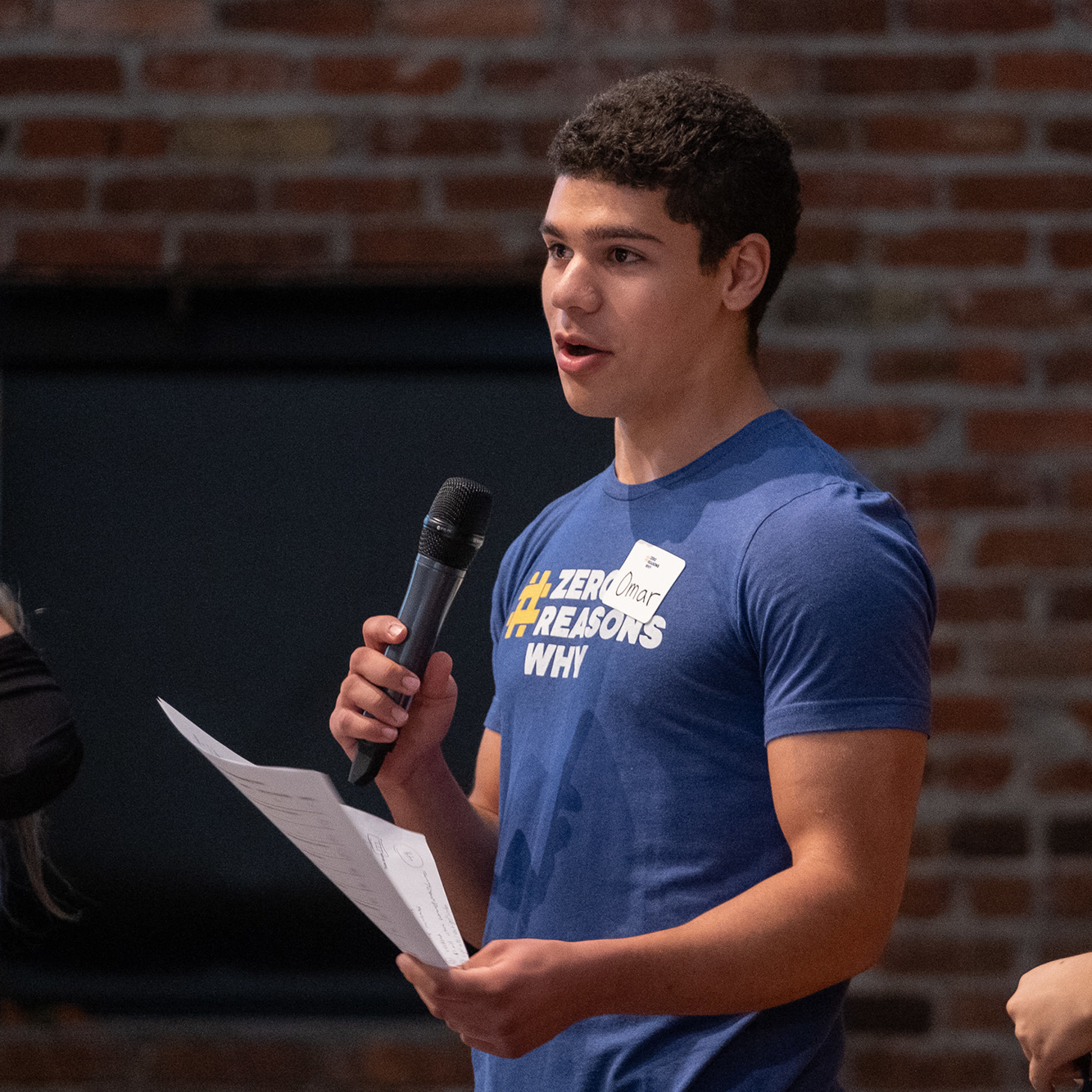
Months of preparing together led to this moment—researching legislators, brainstorming ideas for better policies, practicing how to speak to representatives. Throughout the day, teens from high schools across Kansas stepped into rooms with legislators and confidently shared why mental health matters to them. They spoke about the pressures they face, the gaps they see and the support they believe students and families truly need.
The next generation of advocates is ready and willing to use their voices, not for attention but for impact. Together, they asked lawmakers to consider policies that strengthen access to mental health care, prevention efforts and school-based support systems. They asked to be heard and legislators listened.
For many teens in attendance, this was their first time speaking directly to policymakers about mental health and the issues they care about. It wasn’t about having the perfect message, but about bringing youth voice into spaces where it’s often missing.
Leadership That Lasts
Teen mental health advocacy isn’t simply “having a moment” right now. It’s a movement that continues to grow more every day, built on the willingness of teens to show up, speak out and share their stories. At its core, leadership is deciding that your voice matters and using it to make a difference, even when it feels uncomfortable. Zero Reasons Why teens are doing exactly that.