
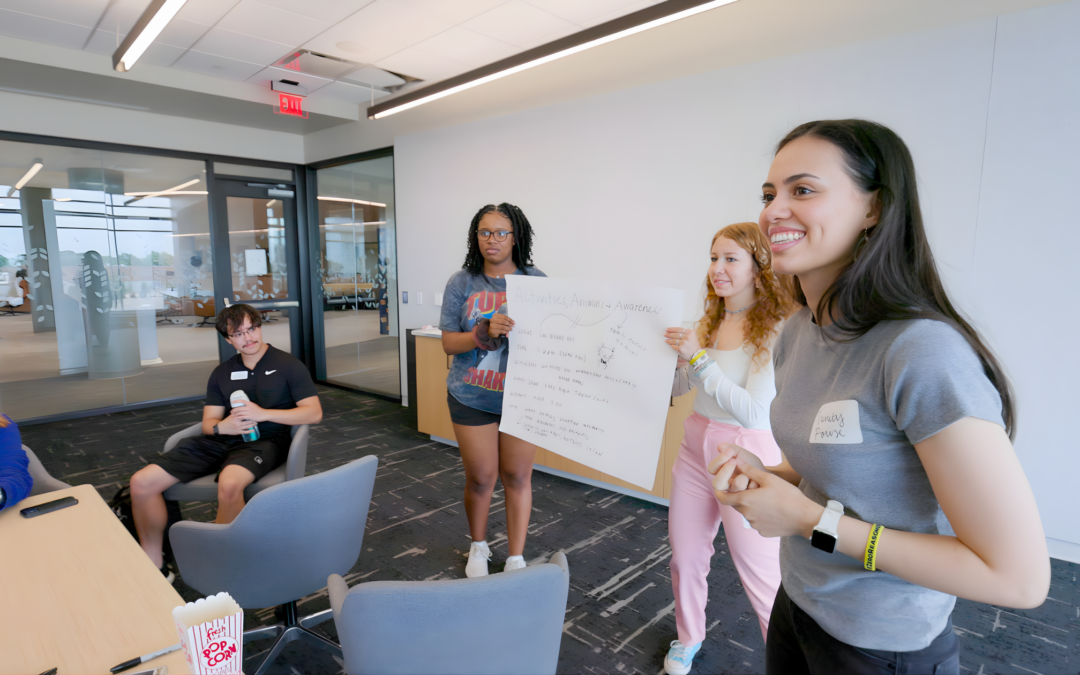
For many teens, school can be a source of stress and added pressure. Whether it’s related to academics, relationships, sports or extracurriculars, students juggle a lot. And depending on the level of support and access to care their school is able to offer, they may not always have the resources they need to manage or address that stress, pressure or other mental health challenges.
That’s why school-based mental health clubs matter. Not to act as a replacement for professional care, but as a powerful layer of connection, prevention and peer support.
Connection Is a Protective Factor
Research shows that social connectedness is one of the strongest protective factors for mental health. When students feel seen, supported and valued by peers and trusted adults, they’re more likely to seek help, manage stress and stay engaged at school. Social connectedness is also shown to have long-lasting effects on health and well-being. Youth who feel connected at school are less likely to have health risks related to sexual health, substance use, violence and mental health in adulthood. (CDC)
What that data makes clear is this: isolation isn’t just a feeling, it’s a risk factor. And schools are uniquely positioned to address it.
How Zero Reasons Why School Clubs Work
While adult voices have often been at the center of mental health conversations, Zero Reasons Why clubs offer something different. These clubs give teens the platform and resources to lead change in their schools, focusing on:
- Creating peer-to-peer connection
- Normalizing conversations about mental health
- Building leadership and advocacy skills
- Promoting education, prevention and help-seeking
- Addressing risk factors to prevent teen suicide
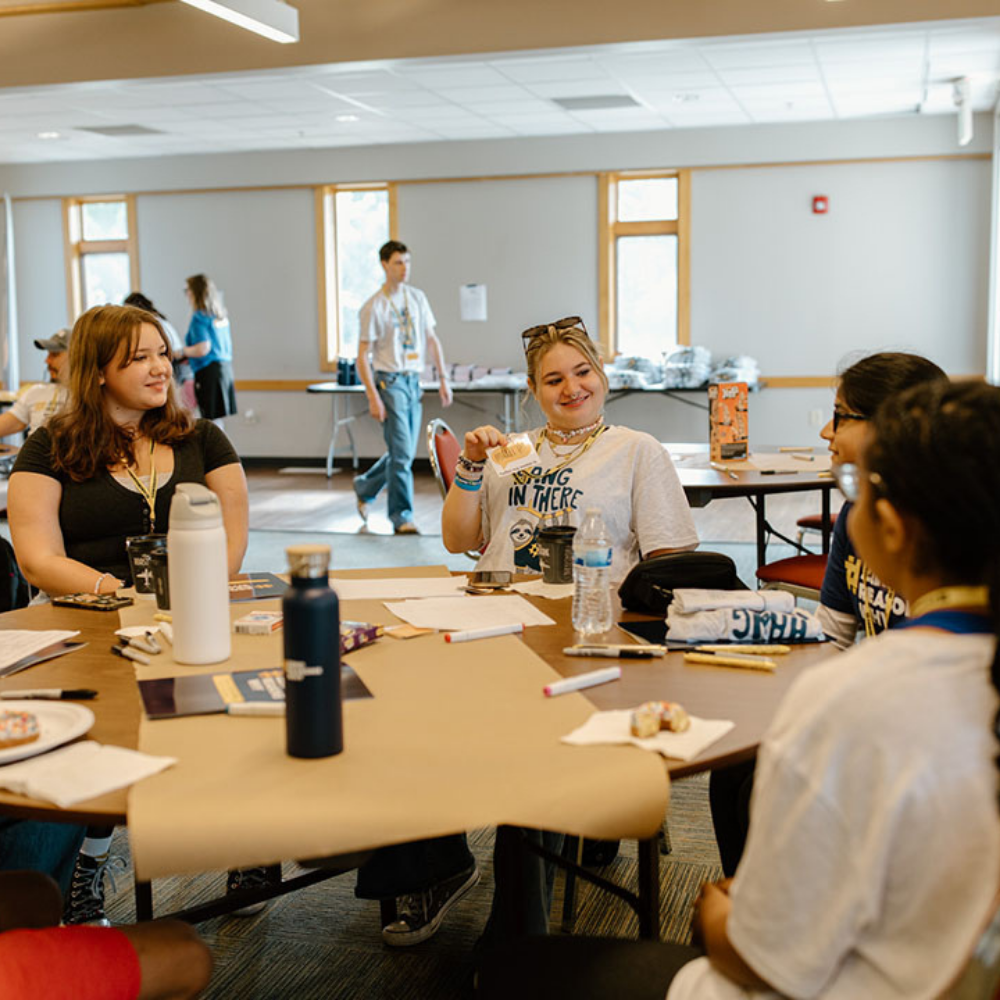
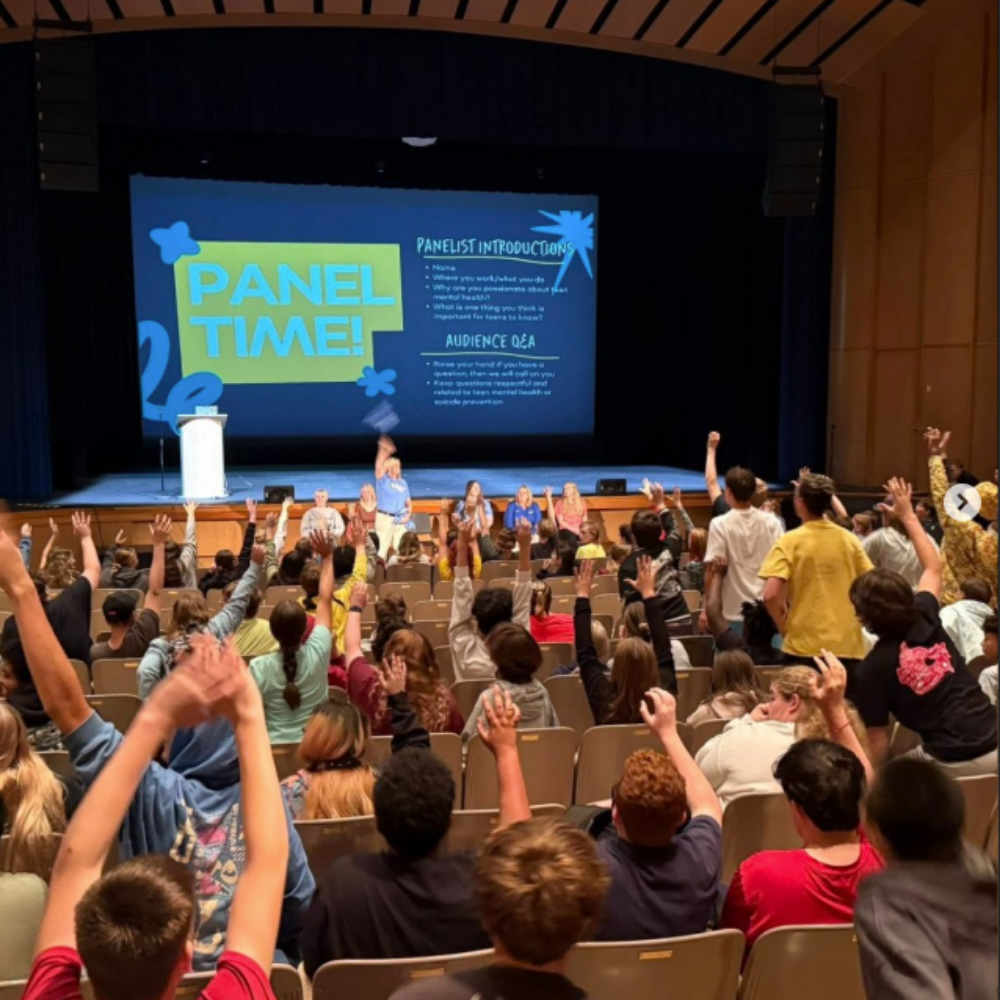
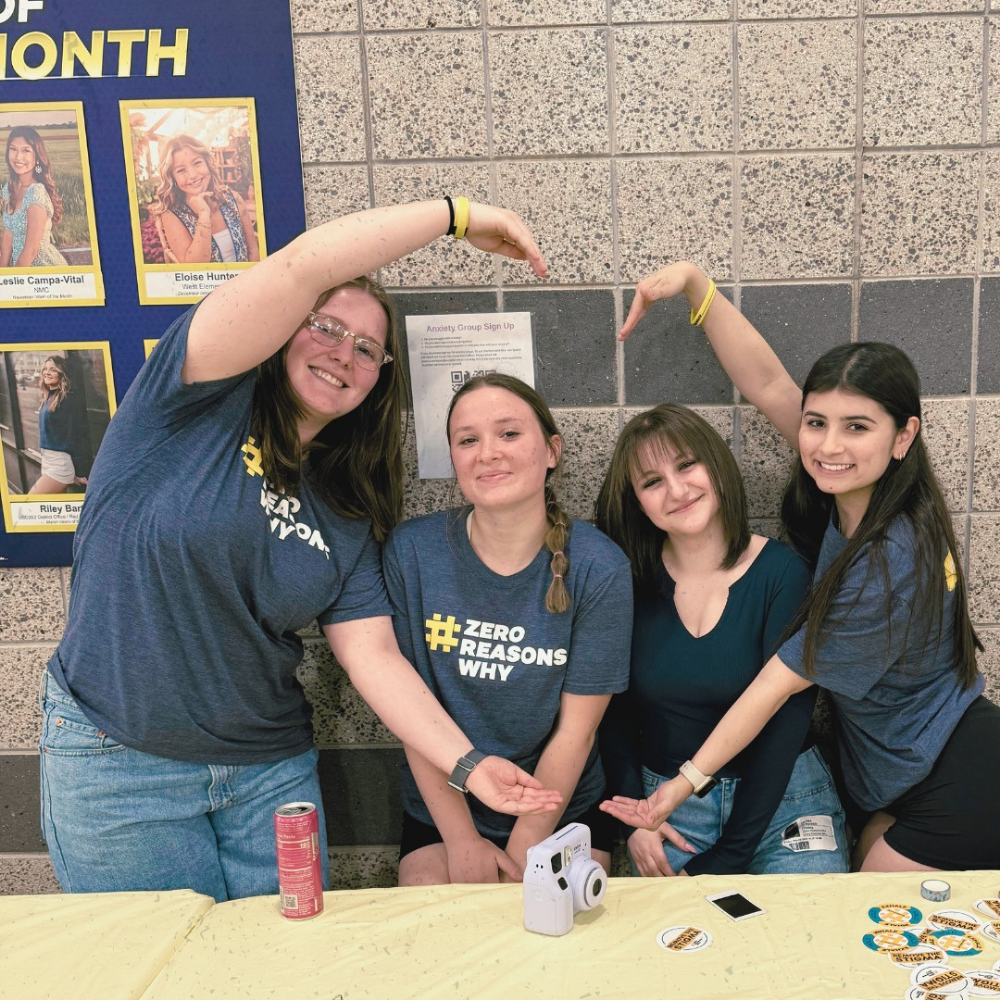
Clubs give students a space to talk with each other, not just talked at by adults. Whether through storytelling, advocacy efforts, awareness events or activities, students decide how they want to make a difference together. With ready-to-use resources at their disposal, teens have the freedom to make the club their own, guided by research-backed and thoughtfully designed content—and supported by trusted adults in their school.
Why Peer-to-Peer Support Matters
Teens often say they’re more likely to open up to their friends or peers before adults. In fact, 67% of teens will tell a friend they’re struggling before telling anyone else. School-based, peer-driven clubs meet students where they are, using language and experiences that feel real and relatable, not scripted or overly academic. When teens lead in these spaces, conversations around mental health begin to feel more approachable, and taking action to remove the stigma around it becomes possible.
A Scalable, Sustainable Approach
Starting a club doesn't require big budgets or specialized credentials. It does require commitment, structure and trust in young people.
That’s what Zero Reasons Why provides: a framework that equips students to lead responsibly, inclusively and safely—with the support and guidance of adult sponsors—while building school cultures rooted in connection and support. In a time when students are desperately seeking community, school-based mental health clubs are essential.
There are two ways you and your community can help expand this work:
- For high schools in Kansas, Zero Reasons Why clubs are free, turn-key and available to implement now. Schools can sign up here to gain access to the tools, guidance and structure needed to launch a student-led mental health club.
- At the same time, we’re working to make Zero Reasons Why accessible nationwide. Every community has teens who care deeply about mental health, but many haven’t yet been given the opportunity to organize and lead. Expanding access requires partnership. Support from sponsors, along with collaboration with organizations and experts who care about youth mental health, makes it possible to bring Zero Reasons Why to more schools and communities. Reach out today or learn how you can support us in this effort through sponsorship.